The AI reckoning
AI agents will transform business in 2027, bringing new cyber, infrastructure, regulatory and social risks. Explore how organisations can build resilience.

A super El Niño climate phenomenon will make 2027 the hottest year on record. Near term, this increases the risk of extreme weather worldwide, from drought in Sub-Saharan Africa and India to wildfires in Southeast Asia, flooding in North America and extreme heat in Europe and South America. As well as hundreds of thousands of heat-related deaths, infectious disease outbreaks, crop failures, regional migration, and hydropower shortages will ripple across a sweltering globe.
Longer term, 2027 will confirm that organisations need to be planning for global warming to exceed the 1.5 C limit governments committed to in 2015. Climate change is a strategic challenge. Adaptation is urgent. It will also be politicised and weaponised.
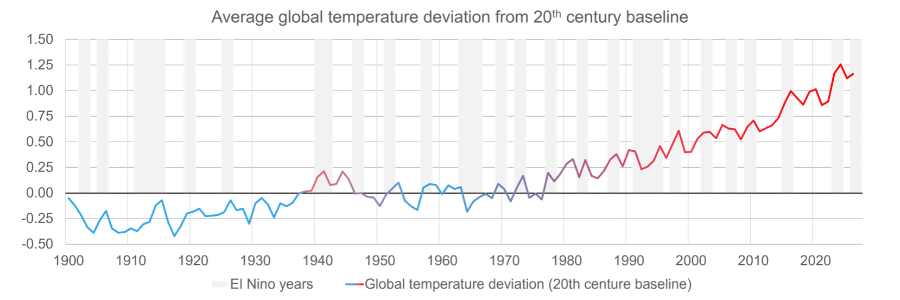
Sources: NOAA, Australia BOM
Extreme weather will negatively impact harvests and animal husbandry in Sub-Saharan Africa, Latin America, and South Asia, adding food price pressures propelled by fuel and fertiliser disruptions. Food insecurity is likely to feed anti-government sentiment and boost recruitment by militant and organised criminal groups. Extreme heat will also raise social tensions and corresponding unrest risks. Geopolitical stability will be further tested by competition for resources, migration pressures and the weaponisation of climate change.
Record heat will drive higher need for cooling at home and in the workplace.[1] At the same time, drought will trim hydropower output, increasing the risk of power shortages – and clashes between local communities and power-hungry industries like data centres. Competition for global fuel supplies will increase, raising prices and accelerating energy transitions to solar and wind. Political questions will intensify over who gets access to cooling and the duty of the state versus the private sector in funding mitigation.
Storms and flooding are familiar risks, but extreme climate conditions make extreme weather less predictable and more likely to exceed tolerances. Notably, El Niño conditions are coinciding with record Atlantic Ocean temperatures, which are associated with elevated flood risk in Europe. At the same time, drought also threatens to limit navigation along critical waterways, from the Rhine to the Panama Canal, increasing pressure on global shipping. Organisations should map their vulnerability to supply chain disruption, including dependence on suppliers exposed to natural hazards.
A hot 2027 and the realisation that we will overshoot the international 1.5 C temperature goal will reset global expectations. Adapting to climate change will become a major driver of national strategy, commercial investment, and consumer preferences. There will be new regulatory risks as some countries embark on crash decarbonisation programmes. It will also confound generational aspirations, turning younger people further against government and corporate “establishments”. But the hottest year will also drive demand for new solutions for living with climate change.

In order to play this media, we need your consent to add cookies to your device. Do you accept these cookies? Find out More.
Organisations must focus now on resilience, both to the immediate risks of 2027 and the long-term risks of a hotter planet. No place – and no business model – will be unaffected. Everyone will have to adapt sooner or later.
Focus on four areas:
[1] In 2024, so far the hottest year on record, higher temperatures accounted for over 10% of the increase in global power demand. During northern hemisphere summer months in 2024, there were 10 more cooling degree days than the 20-year average. Read more
AI agents will transform business in 2027, bringing new cyber, infrastructure, regulatory and social risks. Explore how organisations can build resilience.
Critical infrastructure is becoming a frontline of geopolitical competition. Explore the threats to strategic assets and how organisations can respond.
Volatility is unavoidable, but opportunity remains. Explore how new markets and emerging frontiers can be pursued with greater confidence.
As AI moves from advice to decisions, human oversight matters more than ever. Explore how organisations can balance automation with judgement and accountability.
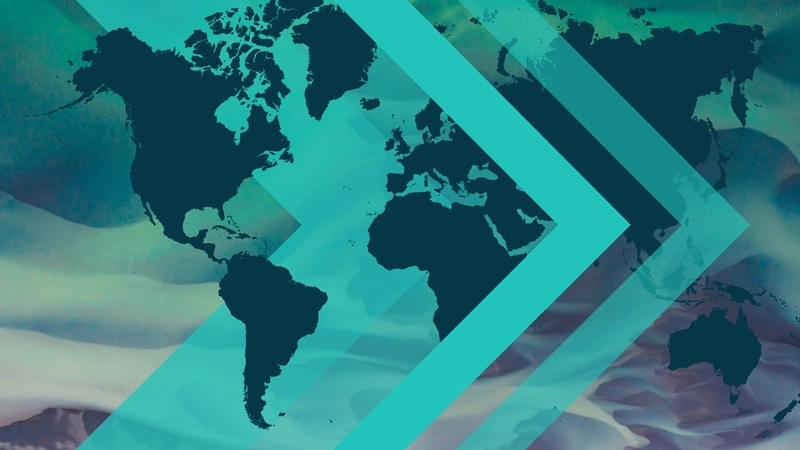
Where is risk rising, falling or changing? Explore our global and regional RiskMap 2027 maps and country risk ratings to see how the operating environment is evolving across the markets that matter to you.
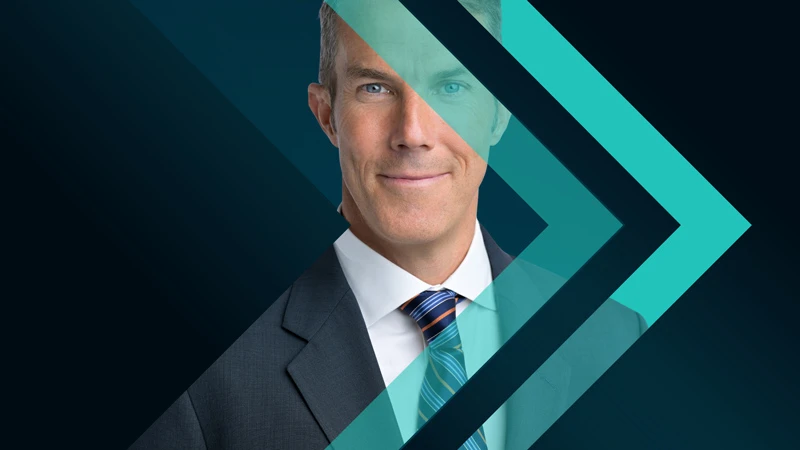
Control Risks CEO Bill Udell looks beyond the individual risks to consider what they mean collectively for leaders making decisions in an increasingly complex global environment, and how businesses can prepare for what comes next.
Explore what the RiskMap outlook means for your markets, investments, operations, people and strategic priorities with our experts. From a bespoke briefing to specialist advice, our strategic intelligence and security teams can help you understand your exposure, and make confident business decisions.