
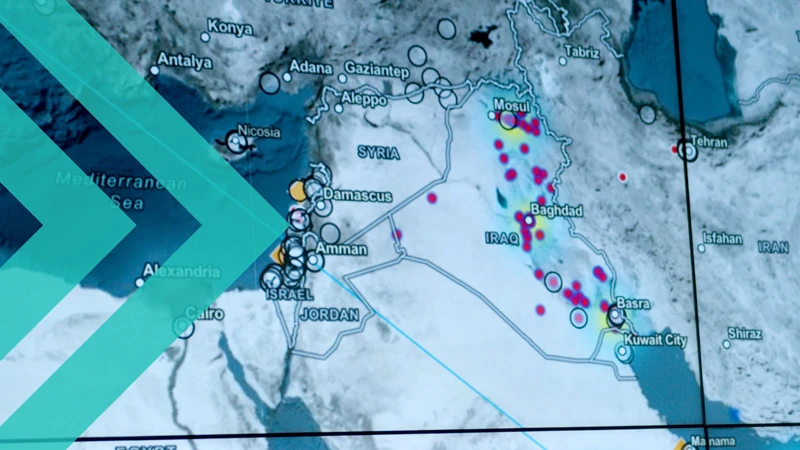

Control Risks supported a client during escalating Middle East conflict by delivering rapid, board-level insight into geopolitical, macroeconomic, supply chain and security impacts.
Strategic risk shortlist
The engagement combined an immediate executive briefing with a structured conflict impact assessment, developing multiple escalation scenarios and associated assumptions across global markets, Africa and Iran.
Scenario findings were translated into a prioritised strategic risk shortlist, highlighting the most material risks facing the client over the next 9–12 months. Control Risks provided practical mitigation recommendations spanning strategic resilience, physical and digital security, crisis communications, stakeholder engagement, and ongoing monitoring, aligned to the client’s operational realities and leadership priorities.
Evidence-based decision-making
Findings were embedded directly into decision-making through a dedicated board presentation, equipping senior leadership with a clear, evidence-based framework to manage uncertainty, support external reporting, and make informed strategic choices during a period of heightened geopolitical volatility.